Leytonstone Broadway man with van market day pickup tips
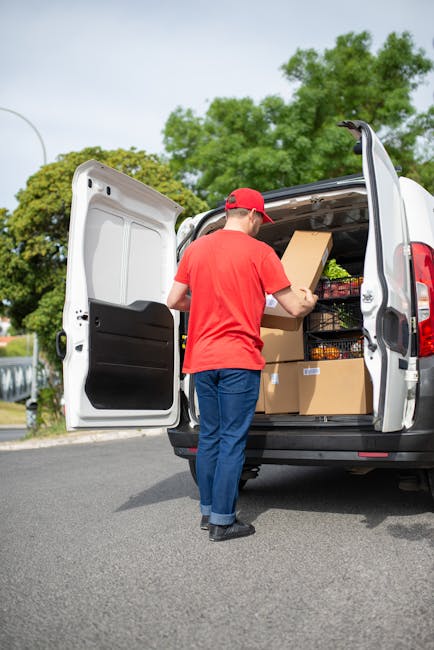
If you are planning a pickup on a busy market day, Leytonstone Broadway can feel like a place where everything happens at once: shoppers crossing the road, stall holders unloading, buses edging through, and vans looking for a place to pause. That is exactly why Leytonstone Broadway man with van market day pickup tips matter. A little planning turns a stressful stop-start job into something tidy, quick, and far less awkward for everyone involved.
Whether you are collecting a sofa, moving a few boxes, or doing a small domestic relocation, the challenge is usually not the lifting itself. It is the timing, access, parking, and keeping the pickup smooth while the street is busy. In this guide, we will walk through the practical side of doing it well, from early checks and loading order to safety, compliance, and the small local details that can save you a headache. Truth be told, the difference between an easy pickup and a frustrating one is often just ten minutes of preparation.
Why Leytonstone Broadway man with van market day pickup tips Matters
Leytonstone Broadway is not a calm, empty loading bay on a Sunday morning. On market days it is a working, moving, noisy stretch of road with more footfall, more short stops, and fewer chances to make a sloppy decision without affecting somebody else. If you are using a man with van service there, the aim is not just to "get there and hope for the best". It is to keep the pickup safe, legal, and quick enough that your day does not get swallowed by delays.
That matters for a few reasons. First, market traffic changes the rhythm of the street. A van that would normally stop for a minute can suddenly become the thing everyone has to navigate around. Second, access to doors, stairwells, or front gardens can be tighter than expected when stalls, pedestrians, and delivery vehicles are all competing for space. And third, any pickup that drags on too long can create avoidable stress for the customer, the driver, and nearby traders. No one enjoys that awkward "we're just going to be one more minute" moment when the pavement is already busy.
There is also a wider trust issue. A good pickup is not just about moving things. It is about showing that your move, collection, or furniture pick-up has been thought through. That is one reason many people prefer a straightforward man with van arrangement for small to medium jobs: it is flexible, personal, and usually easier to adapt to a busy local setting than a larger, more rigid operation.
Practical takeaway: on market days, the value of planning goes up, not down. The busier the street, the more every small decision matters.
How Leytonstone Broadway man with van market day pickup tips Works
At a basic level, the process is simple. You arrange a pickup window, confirm what is being collected, make sure the van can reach the location, and load the items efficiently. The reality on market day is a bit more layered. Timing, waiting space, and pedestrian flow all come into play. So the "how" is really about sequencing the job properly.
Usually, the pickup works best when the vehicle arrives just before the handover point is ready, rather than sitting around for ages. If the item is coming from a flat, shopfront, or storage point near Leytonstone Broadway, the crew should know whether they will need to carry items a short distance from the door, whether they will face stairs, and whether the property has any access restrictions. That may sound obvious, but in real life people often skip the tiny details. Then everyone is surprised when the van has nowhere to pause.
For a market day pickup, the driver also has to think like a local road user, not just a mover. That means checking whether the stop is likely to be congested, whether they can load quickly without blocking access, and whether another route around the area may be needed if the high street is especially busy. If the pickup is linked to a larger move, it can be worth speaking with a broader movers team so the whole operation is scoped properly instead of being improvised on the kerb.
In practice, the best pickups tend to share three habits: clear communication, light but firm planning, and a loading sequence that avoids unnecessary back-and-forth. Simple enough in theory. A bit fiddly in the real world, naturally.
Key Benefits and Practical Advantages
There are some obvious benefits to handling a market day pickup properly, but there are also a few that people only notice after the job is done. The most immediate advantage is time saved. If the van stops in the right place, the team knows what to expect, and the goods are ready, the collection can be completed with much less waiting.
Another benefit is reduced risk. Busy streets increase the chance of awkward manoeuvres, rushed lifting, and pedestrian conflict. A careful approach lowers those risks. That is especially important if the pickup includes heavier items, furniture with awkward angles, or anything fragile that should not be bounced around because someone is in a hurry.
You also get a smoother customer experience. There is a noticeable difference between a pickup that feels rushed and one that feels controlled. Even if the street is lively, the job can still feel calm from the customer's side. You will notice that people relax when they see a driver who knows where they are stopping, how long the handover will take, and what happens next.
- Less waiting: better timing means fewer idle minutes.
- Safer loading: fewer rushed lifts and less congestion near the van.
- Better communication: everyone knows the plan before the vehicle arrives.
- Lower disruption: traders, shoppers, and residents are less affected.
- More predictable costs: a job that runs efficiently is less likely to drift.
If you are comparing options for a one-off collection, a more flexible man and van service can be a sensible middle ground between doing it yourself and booking a larger removal operation. It gives you enough support without overcommitting to a vehicle size you do not need.
Who This Is For and When It Makes Sense
This sort of pickup planning is useful for a fairly wide range of people. It is not just for house moves. In fact, it often makes more sense for smaller, time-sensitive jobs where the main challenge is access rather than volume.
It is especially relevant if you are:
- collecting furniture from a seller or shop near Leytonstone Broadway;
- moving boxes, household goods, or storage items during a busy weekday;
- picking up stock, office equipment, or small commercial items;
- arranging a short-notice collection where the pickup window is tight;
- trying to avoid a longer vehicle wait in a heavily used high street location.
It also makes sense for customers who are unsure whether a larger vehicle is necessary. Sometimes people assume they need a huge removal truck, when a well-planned smaller van would actually be easier to park, easier to unload, and kinder to the surrounding traffic flow. For a modest load, that can be a better fit than a bulky option.
If your move is part of a broader domestic relocation, it may be worth looking at home moves or house removals support so the work is matched to the scale of the job. If it is for a business, commercial moves can help frame the pickup in a more structured way.
Sometimes the real question is not "Can we do this?" but "Can we do this without making the street miserable for half an hour?" That is the better question, honestly.
Step-by-Step Guidance
Here is a practical way to handle a Leytonstone Broadway market day pickup without turning it into a small drama.
- Confirm the load in advance. Know exactly what is being collected, including size, weight, fragility, and whether anything can be dismantled.
- Choose a realistic time window. Aim for a slot that avoids the busiest pinch points where possible. If that is not possible, build in breathing room.
- Check the access point. Measure doorways, stairs, corners, and any route from the property to the van.
- Prepare the items before the van arrives. Have them boxed, wrapped, or staged close to the exit. Every extra trip back inside slows things down.
- Decide where the van will stop. Make sure the loading point is sensible, safe, and as unobtrusive as possible.
- Load in the right order. Heavy and stable items first, fragile or awkward items secured afterwards.
- Communicate clearly during the handover. One person should ideally be directing the job. Too many voices can make a simple pickup weirdly confusing.
- Check the van before leaving. Count items, confirm nothing has been left behind, and make sure doors and straps are secure.
A good pickup feels almost boring in the best possible way. That is the goal. No scrambling, no guessing, no "hang on, where did that cushion go?" moments.
If packing is part of the issue, a dedicated packing and unpacking services option can remove a lot of stress. It is one of those things people often consider only after they have spent an evening surrounded by boxes and tape. Which, let's face it, nobody enjoys.
Expert Tips for Better Results
Small local jobs go better when you think two steps ahead. That sounds obvious, but it is where most people shave off the biggest headaches.
1. Load the awkward items first if access is tight
If the pickup point is awkward or there is only a short period to stop, put the hardest items at the top of the priority list. A heavy sofa, a large wardrobe section, or a fridge-shaped object should not be left until the end when everyone is tired and the street is getting busier.
2. Separate what must go from what can wait
Sometimes customers create a "maybe" pile. That is fine at home, less fine on a market day. Make sure only confirmed items are ready to move. It stops last-minute indecision at the curb, which is never a good look.
3. Use protective materials sensibly
Blankets, wrap, straps, and corner protection are not just for big removals. They matter on smaller jobs too, especially where items may be carried through a crowded entrance or placed down quickly. A minute spent protecting a table leg can save a broken one. Simple maths.
4. Keep the route clear
Before the van arrives, move bins, bikes, planters, and loose clutter out of the path. A clean route reduces trip risk and speeds up loading. On a busy road, even one awkward obstacle can slow everything down more than you would expect.
5. Think about return journey timing
If the van is due to do another job after yours, the pickup needs to stay on schedule. This is where good customers help a lot by having items ready and communication tight. Fairness goes both ways.
If you want to read more about how a provider approaches safety and responsibility, the site's health and safety policy and insurance and safety pages are worth a look. They help set the tone for how a professional operator should work, especially where lifting, access, and public spaces are involved.
Common Mistakes to Avoid
A surprising number of pickup problems come from the same handful of mistakes. They are easy to make. Also easy to avoid, once you have seen them a few times.
- Underestimating the traffic: market day conditions can change by the hour.
- Not checking vehicle access: a van that cannot stop properly creates stress for everyone.
- Leaving items unprepared: loose, unboxed, or half-dismantled pieces slow down the job.
- Assuming the driver will "just know": local knowledge helps, but clear instructions still matter.
- Mixing urgent and non-urgent items: this makes loading less efficient and can lead to mistakes.
- Ignoring building or street constraints: steps, narrow pavements, and busy crossings all change the plan.
One of the most common slip-ups is booking a service without being honest about the job size. If you are unsure whether a single pickup is enough or whether you need a broader removals setup, compare your options carefully. Pages like removal services and removals can help frame that decision more clearly.
And yes, people do sometimes forget the lift is on the other side of the building, or that the sofa is wider than the hallway. It happens. More often than anyone admits.
Tools, Resources and Recommendations
You do not need a huge toolkit to make a market day pickup go well. But a few basic items and a sensible plan will make a noticeable difference.
- Measuring tape: useful for checking furniture dimensions, corridors, and door widths.
- Protective blankets or wraps: helpful for furniture, mirrors, and appliances.
- Ratchet straps or load restraints: important for securing items safely in transit.
- Box labels: helpful if the pickup is part of a wider move.
- Phone battery and contact details: basic, but very useful when timing changes.
- Gloves and sturdy footwear: common-sense kit for lifting and carrying.
On the planning side, a clear quote process matters too. If you need a sense of scope, it is reasonable to review pricing and quotes information before booking. You should also know how payments are handled, so the transaction is not a surprise at the end of a long day. For that, payment and security is a useful reference.
If you are comparing providers, it can also help to understand who you are dealing with. That is where about us can be a good background read, especially if you value a more personal and accountable service rather than something vague and one-size-fits-all.
Law, Compliance, Standards, or Best Practice
For a local pickup on a busy high street, the legal and compliance side is mostly about common-sense good practice, safe loading, and not causing unnecessary obstruction. Exact requirements can vary depending on the road, the time, the nature of the stop, and local conditions, so it is sensible to keep advice general unless you have confirmed details for your specific job.
In UK moving work, the standard expectation is that vehicles are loaded safely, goods are secured properly, and workers take reasonable care when operating around the public. That includes thinking about pedestrian movement, lifting safety, vehicle access, and whether the pickup could create avoidable disruption. If there are site-specific restrictions, those should be checked in advance rather than discovered the hard way.
A few best-practice points are worth keeping in mind:
- Do not block access routes any longer than necessary.
- Keep the pickup area tidy and free from trip hazards.
- Secure all loads before the vehicle moves.
- Use suitable lifting methods and avoid rushed manual handling.
- Be honest about delays if the street is busier than expected.
If you want reassurance that the provider you choose takes these responsibilities seriously, the site's terms and conditions and recycling and sustainability pages help show how service standards and care for materials are approached. That matters more than people sometimes realise. A tidy pickup is usually a reliable pickup.
Options, Methods, or Comparison Table
Not every pickup on Leytonstone Broadway needs the same setup. Here is a simple way to compare the most common approaches.
| Option | Best for | Strengths | Trade-offs |
|---|---|---|---|
| Self-managed pickup with hired van | People who can lift, drive, and organise the job themselves | More control, flexible timing | More work, more risk, more chance of slow loading |
| Man with van | Single pickups, small moves, market-day collections | Flexible, practical, usually quicker to organise | Capacity may be limited for larger loads |
| House removals support | Bigger domestic moves with multiple items | More structure, more hands, better for volume | Can be more than you need for a simple pickup |
| Office or commercial move support | Businesses collecting stock or equipment | Better planning around deadlines and access | May involve more coordination than a small pickup requires |
The "best" option really depends on load size, access, and timing. If the pickup is a single item or a few boxes, a smaller van-based service often makes the street-side part of the job easier. If it is part of a bigger property move, you may want to look at house movers or a more structured removal company approach.
Case Study or Real-World Example
Imagine a customer collecting a three-seat sofa, a coffee table, and a boxed chair from a property a short walk from Leytonstone Broadway on a Saturday market day. The street is already lively, with people drifting between stalls and cars pausing in the usual stop-start way. If the customer had simply asked the van to arrive "sometime in the morning", the pickup would probably have been messy.
Instead, they confirm the sofa dimensions the day before, move the hallway clutter out of the way, and have the items staged near the front door. The driver arrives during a planned slot, checks the best stopping point, and the loading begins immediately. The sofa goes in first, then the table, then the smaller box. No extra trips. No standing around. No trying to force the wrong shape into the van at the last second.
The part that makes it work is not glamorous. It is the little things: the customer answered the phone, the route was clear, and the load order made sense. You can almost hear the van door shut cleanly and know the job is done properly. Nice, really.
For anyone preparing a similar job, this is a good reminder that a pickup on a busy street is mostly won or lost before the vehicle even arrives.
Practical Checklist
Use this checklist before the van turns up.
- Confirm the pickup time and location.
- Make sure the items to be collected are clearly identified.
- Measure any large or awkward pieces.
- Clear the path from the property to the loading point.
- Check for stairs, narrow corners, or other access issues.
- Wrap fragile or valuable items securely.
- Keep keys, contacts, and instructions handy.
- Decide who will speak to the driver on arrival.
- Prepare payment details if needed.
- Leave a little margin in the schedule in case the market is especially busy.
Expert summary: the smoother the handover, the less stressful the entire pickup feels. On Leytonstone Broadway, that usually means preparing earlier than you think you need to. A calm pickup is rarely an accident.
Get a free quote today and see how much you can save.
Conclusion
Leytonstone Broadway man with van market day pickup tips are really about making a busy local street work in your favour rather than against you. If you think ahead about timing, access, load order, and safety, the pickup becomes much easier to manage. That is true whether you are collecting one item or handling a small move with a few stops.
The best jobs feel organised, not rushed. They respect the street, the schedule, and the people involved. And in a lively place like Leytonstone Broadway, that respect pays off quickly. A bit of planning now saves a lot of faff later, which is about as British a conclusion as you can get.
When you are ready, choose the approach that fits the load, keep the details clear, and let the process stay simple. That is usually where the real win is.
Frequently Asked Questions
What is the main challenge with market day pickups on Leytonstone Broadway?
The biggest challenge is usually access. Market traffic means more pedestrians, more short stops, and less room to load safely. Good timing and preparation make a big difference.
How early should I prepare for a man with van pickup?
It is best to prepare before the van arrives, not after. Have items gathered, wrapped, and ready to move so the pickup can begin straight away.
Is a man with van service suitable for furniture collection?
Yes, it is often a very practical choice for furniture collection, especially if the load is modest and the street access is tight. It can be easier than using a larger vehicle.
Should I book more time on market days?
Usually, yes. Busy road conditions can slow loading and vehicle access, so allowing a little extra time is sensible.
What should I tell the driver before the pickup?
Tell them what is being collected, where it is, whether there are stairs or narrow spaces, and if anything is fragile or unusually heavy. The more accurate the details, the smoother the job.
Can a market day pickup still be quick?
Absolutely. If the items are ready, the access point is clear, and the stopping place is sensible, the pickup can be completed quite efficiently even on a busy day.
Do I need packing help as well as transport?
Not always, but if your items are awkward, fragile, or still unpacked, packing support can reduce damage and speed up the loading process.
What if the road is too busy when the van arrives?
If conditions are tighter than expected, the driver may need to adjust the stopping point or wait for a safer opening. Clear communication helps the job stay controlled.
Is this kind of pickup better for domestic or commercial jobs?
It can work well for both. Domestic collections often benefit from the flexibility, while commercial pickups benefit from the quick handover and practical load handling.
How do I know whether I need removals instead of a simple pickup?
If the job involves several rooms, a larger number of items, or more than one collection point, it may be closer to a full removals job than a simple pickup. In that case, compare the scope carefully.
What makes a good pickup experience on a busy London high street?
A good experience usually comes down to preparation, clear communication, sensible timing, and safe loading. Nothing fancy. Just the basics done properly.
Where can I find more information about service standards and support?
Useful background pages include about us, insurance and safety, and health and safety policy. They help you understand how a professional service should be run.