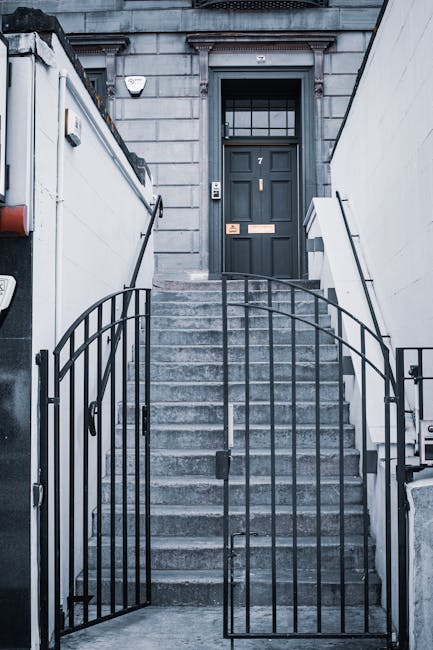
E11 flats: navigating staircases for Leytonstone moves
Posted on 26/05/2026
Moving out of a flat in E11 can look straightforward on paper. Then you meet the staircase. Narrow turns, awkward landings, a bannister that seems to be in exactly the wrong place, and a sofa that suddenly feels two sizes too big. If that sounds familiar, you are in the right place. This guide to E11 flats: navigating staircases for Leytonstone moves explains how to plan, lift, carry, protect, and move without turning a simple job into a stressful one.
Truth be told, stairs are often the part of a flat move that catches people out. They affect timing, safety, packing choices, and even whether certain items should be taken apart first. In Leytonstone, where many homes sit in converted buildings, maisonettes, and upper-floor flats, the right approach can save a lot of wobbling, muttering, and scratched walls. Let's make it simpler.

Why E11 flats: navigating staircases for Leytonstone moves Matters
Staircases shape the whole moving day. They decide how many trips you will need, how many people should help, what can be carried safely, and whether your plans need a little rethink before the first box even leaves the hallway.
In E11, many flats are above street level or tucked into older properties with tighter stairwells than you might expect. Some are fine for boxes and smaller furniture, but a large wardrobe, bed frame, or sofa can become a puzzle with a very awkward answer. If you have ever tried to angle a mattress around a turn while someone says, "a bit more left, no, the other left," you will know the feeling.
This matters because stairs are not just an inconvenience. They create real risks: damaged walls, strained backs, broken handles, chipped skirting boards, and delays that push your move into the evening. That can be especially frustrating if you are managing a flat handover, key deadline, or same-day turnaround. For people arranging flat removals in Leytonstone, the staircase is often the main planning detail, not a side issue.
It also matters for communication. If you are booking help through a man and van service in Leytonstone or comparing removal companies in Leytonstone, staircase details help set the right team size, vehicle choice, and arrival window. A good move starts with honest access information. Simple as that.
How E11 flats: navigating staircases for Leytonstone moves Works
At its core, staircase moving is about breaking a move into manageable sections. Instead of treating the flat as a single loading task, you work from room to landing to van, with each stage planned around the shape and condition of the stairs.
The practical process usually looks like this:
- Measure the awkward items and the narrowest points in the stairwell.
- Decide what can be moved intact and what should be dismantled.
- Clear the route from flat to exit, including hallway clutter and loose mats.
- Use the right carrying method for the item, the angle, and the number of movers available.
- Protect the property and the item before the first lift begins.
- Move in a controlled sequence, not a rushed one.
That sounds obvious, but in practice, people often skip the route check. They measure the sofa. They forget the bend halfway down the stairs. Or the landing. Or the old light fitting hanging a little too low. Those details matter far more than you would think.
When the move includes bulky furniture, the safest route is often to dismantle first and reassemble later. The furniture removals service in Leytonstone is especially useful where staircases are tight or the building has uneven access. For beds and mattresses, it helps to review the practical advice in this bed and mattress moving guide before move day.
In short, staircase moves work best when you stop thinking in terms of force and start thinking in terms of sequence. That's the trick.
Key Benefits and Practical Advantages
A well-planned staircase move is not just safer. It tends to be quicker, calmer, and cheaper in the long run because fewer things go wrong.
| Benefit | Why it matters in E11 flats | What it can prevent |
|---|---|---|
| Better time control | Stairs slow down loading, so a plan keeps the day realistic | Delays, overtime, missed handover windows |
| Lower injury risk | Awkward stair angles can strain backs, shoulders, and knees | Slips, pulled muscles, dropped items |
| Less property damage | Old stairwells in flats can be easily marked | Scuffed walls, chipped corners, damaged banisters |
| Smarter packing | Knowing the staircase shape helps you choose box sizes and furniture prep | Boxes that are too heavy or bulky to carry safely |
| Less stress | A clear method makes the whole move feel more under control | Panic, arguments, rushed decisions |
There is also a quieter benefit that people often notice only afterwards: you arrive in the new place with more energy. If move day has already worn you down on the stairs, everything after that feels harder. A smoother staircase plan keeps some of your strength in reserve for unpacking, key handover, and those first-box essentials.
To get your move off to a cleaner start, it helps to reduce what is coming down the stairs in the first place. A good read on that is these decluttering tips for your move. Less stuff. Less lifting. Fewer regrets.
Who This Is For and When It Makes Sense
This approach is for anyone moving from a flat in E11 where stairs make the job more complicated than a standard ground-floor pickup. That includes tenants, homeowners, students, landlords arranging turnarounds, and people who simply do not want to risk carrying a wardrobe down a narrow staircase by themselves. Fair enough, really.
It makes especially good sense if you are dealing with any of the following:
- Upper-floor flats with no lift
- Victorian or converted properties with narrow staircases
- Heavy furniture such as beds, wardrobes, sofas, or desks
- Time-limited moves where the move-out and move-in schedules are tight
- Student moves with lots of boxes and a few awkward items
- Same-day moves where planning has to be tidy and efficient
If you are a student, for example, you may not have much furniture but still have an awkward mix of boxes, luggage, monitors, and a desk chair that somehow catches on every corner. For those situations, student removals in Leytonstone can be a sensible fit.
If you are moving a larger household, stair handling becomes even more important. A full house removal in Leytonstone usually means more items, more coordination, and more opportunities for something to snag on a stair rail if you are not prepared.
And if you have especially delicate or awkward items, like a piano, do not treat stairs lightly. A dedicated service such as piano removals in Leytonstone exists for a reason. Some objects really are not worth improvising with. Definitely not.
Step-by-Step Guidance
Here is a practical way to handle a flat move when stairs are the main challenge.
1) Survey the route before anything is lifted
Walk the full path from the room to the van. Look for tight corners, low ceilings, old door handles, narrow halls, and any hazards like loose carpeting or clutter. If the building has a shared stairwell, note whether you will need to keep the route clear for neighbours too.
2) Measure the problem items, not just the rooms
Measure the longest and widest parts of furniture. For sofas, that often means arm-to-arm width and height at the highest point. For beds, check headboards, slats, and frame pieces separately. Sometimes a drawer unit is fine in one piece, but the wardrobe needs to come apart. That little distinction can save a lot of sweating.
3) Pack by carryability, not just by category
It is tempting to group items by room, but staircase moves work better when you group by what is easy to carry. Heavy books go into smaller boxes. Breakables stay well padded and evenly filled. Light but bulky items should be packed so they do not catch the breeze, because yes, even a cardboard box can become awkward on a landing.
4) Dismantle furniture where sensible
Remove legs, shelves, mirrors, and loose fittings. Keep screws and small parts in labelled bags taped to the right item. This sounds boring, and it is a bit boring, but future-you will thank you in a very sincere way at 8:40 pm when the bed frame needs rebuilding.
5) Use a safe carrying system
Two people should lift together where possible, with one person leading and the other watching the route. Keep hands clear of pinch points. Avoid twisting your torso while carrying. If something feels unstable on the stairs, stop and reset. No heroics required.
6) Protect the stairs and the item
Use blankets, corner protectors, or suitable wrap for furniture edges. This helps reduce scratches on walls and scuffs on the item itself. Protective material is not just for the van. It matters just as much on the staircase, where contact is constant and the angles are unforgiving.
7) Load the van in a sensible order
Put the heaviest items in first and stack around them carefully. Keep fragile items separated. If you are booking a removal van in Leytonstone, make sure the size suits both your load and the stair-heavy nature of the job. A van that is too small makes the whole day harder, not easier.
8) Leave the flat in good shape
Once the last item is out, do a final check of stair corners, landings, and the hallway. A clean exit matters, especially if you are handing the property back. If you want a bit of help with that side of things, strategic cleaning for a smooth house departure is a useful companion read.
Expert Tips for Better Results
Small choices make a big difference on staircases. That is the honest truth.
- Use smaller boxes for heavy items. A box full of books is the classic mistake. It looks neat until you have to carry it down two flights.
- Plan the order of exit. Take down the most awkward items first while energy and concentration are at their best.
- Protect hands and grip points. Gloves can help with traction, but make sure they do not reduce dexterity on narrow stairs.
- Keep a clear landing. One of the easiest ways to create chaos is to stack boxes on the stairs "just for a second."
- Check your footwear. Supportive, closed-toe shoes are better than slick trainers or anything with poor grip.
- Give yourself extra time. Moves with stairs almost always take longer than people expect. Build in a buffer. Always.
There is also a useful mindset tip: treat the move like a series of short jobs, not one massive endurance test. If you are carrying a heavy item and your pace starts getting sloppy, pause. Reset. Breathe. Then continue. Rushing on stairs is where mistakes tend to happen.
If you are not sure whether an item is realistic to move alone, read this guide on handling heavy loads solo. It offers a good sense of where the line sits between sensible effort and unnecessary risk.

Common Mistakes to Avoid
Most staircase problems are predictable. That is good news, because predictable problems can be avoided.
- Underestimating the stairs. A short staircase can still be difficult if the turns are tight or the walls are unforgiving.
- Skipping measurements. People often measure furniture but forget to measure the narrowest stair point.
- Overpacking boxes. Heavy boxes are dangerous on stairs, full stop.
- Trying to carry too much at once. The extra trip is worth it. A dropped item is not.
- Ignoring dismantling opportunities. A few screws removed at the start can prevent a very awkward moment later.
- Not protecting walls and corners. One scrape on a narrow stairwell can cost more hassle than the protection would have.
- Forgetting to brief helpers. Everyone should know the route, the item weight, and who is leading the lift.
A less obvious mistake is not planning for what happens after the stairs. You get the sofa out of the flat, then realise it will not fit through the new front door quite as neatly as expected. To avoid that kind of surprise, build the plan around both ends of the move, not just the departure.
Tools, Resources and Recommendations
You do not need a mountain of specialist kit, but the right basics help a lot.
- Furniture blankets for wall and item protection
- Strong packing tape for securing boxes and small parts
- Labels or marker pens so you know what goes where
- Ratchet straps or tie-downs for van loading where appropriate
- Gloves with grip for better handling on awkward items
- Bubble wrap or paper wrap for fragile items and edges
- Dolly or sack truck for suitable items, although stairs may limit use
For packing, it helps to have a proper system rather than a pile of random boxes. The packing and boxes service in Leytonstone can make a real difference if you want materials sized and chosen with your move in mind.
It is also wise to think about storage if your staircase move is part of a staggered relocation. Maybe the new flat is not ready, or you are downsizing and need time to decide what stays. In that case, storage in Leytonstone can take the pressure off without forcing rushed decisions.
And if you want the bigger picture before the practical details, the services overview gives a clearer view of what is available and how different services fit together. Handy, really.
Law, Compliance, Standards, or Best Practice
For domestic moves, there is no single staircase rulebook that applies to every flat, but there are clear best-practice expectations around safety and care. In the UK, anyone carrying out removal work should take reasonable steps to reduce the risk of injury and damage. That includes using suitable lifting methods, keeping access routes clear where possible, and avoiding unsafe manual handling.
For residents, landlords, and building managers, it is also sensible to think about shared spaces. Stairwells, communal hallways, and entrance routes may need to be protected from damage and kept free from obstruction. If you live in a block with other residents moving at the same time, communication matters more than people sometimes expect.
Where children, older residents, or people with accessibility needs are involved, extra care is wise. That may mean scheduling around quieter times, avoiding blocked passages, or arranging help so that the staircase is not a hazard. If accessibility is a concern, it is worth checking the provider's own accessibility information and asking direct questions before booking.
Insurance also matters. Accidents are not expected, but a careful move should still be backed by appropriate cover and clear terms. Before you confirm anything, review the company's insurance and safety information along with the health and safety policy. If you are comparing providers, transparency in these areas is a good sign. So is straightforward communication about pricing, timing, and payment, which is why the pages on pricing and quotes and payment and security are worth a look.
Options, Methods, or Comparison Table
Not every staircase move needs the same approach. The right method depends on the item, the building, and how much help you have on the day.
| Method | Best for | Pros | Limitations |
|---|---|---|---|
| DIY with friends | Light loads, a few boxes, low-risk access | Low cost, flexible timing | Higher risk with heavy furniture; less control if someone is inexperienced |
| Man and van | Smaller flat moves, mixed loads, moderate stair access | Practical, efficient, usually a good balance of cost and support | May not suit very large or highly complex moves |
| Full removal team | Larger flats, multiple bulky items, difficult staircases | More hands, more planning, generally safer for awkward loads | Higher cost, sometimes more than a small move needs |
| Partial dismantling plus assistance | Furniture that can be broken down to fit narrow stairs | Reduces strain and damage risk | Needs time, tools, and careful reassembly |
For many E11 flat moves, the sweet spot is somewhere between DIY and full-service support. If you want hands-on help but not a huge production, a man with a van in Leytonstone can be a sensible middle ground. If the move is larger or the staircase is genuinely tricky, a more complete removals service in Leytonstone may be the better fit.
Case Study or Real-World Example
Here is a realistic example. A couple moving out of a second-floor flat in E11 had a sofa, a bed frame, six medium boxes, a bookcase, and a fridge freezer. The staircase had one tight turn and a narrow landing. At first glance, the sofa looked like the biggest issue. In practice, the fridge was the awkward one because it needed a very careful angle to avoid the banister.
They did three things well. First, they measured the staircase before move day. Second, they dismantled the bed frame and removed the bookcase shelves. Third, they packed books into smaller boxes instead of one heroic box that nobody could safely lift. Nothing dramatic. Just decent planning.
The move still took longer than a ground-floor job would have done. That was expected. But there were no knocks to the walls, no rushed lifting, and no last-minute panic about whether the sofa would make it round the turn. The flat was emptied cleanly, and they were able to hand back the keys without scrambling. That is what a good staircase plan looks like. Quietly uneventful, which is exactly what you want on moving day.
If you are preparing for a similar move, the broader advice in this packing guide and these stress-free home moving processes can help everything run more smoothly.
Practical Checklist
Use this quick checklist before the first item reaches the stairs.
- Measure the stairs, landings, and doorways
- Check whether any furniture needs dismantling
- Pack heavy items into smaller boxes
- Label fragile and awkward items clearly
- Clear hallways, landings, and shared access routes
- Protect walls, corners, and furniture edges
- Make sure helpers know the route and the plan
- Wear suitable shoes with good grip
- Confirm van size and parking arrangements
- Set aside time for a final property check
Expert summary: staircase moves in E11 are rarely difficult because of one huge problem. They are usually difficult because of five small ones happening at once. Measure properly, pack sensibly, protect the route, and choose help that matches the building. That combination does more than brute strength ever will.
Get a free quote today and see how much you can save.
Conclusion
Moving from an E11 flat with stairs in the picture is all about preparation. Once you understand the shape of the stairwell, the size of the furniture, and the limits of safe lifting, the whole move becomes more manageable. Not easy, necessarily. But manageable. And that is usually the difference between a move that drains you and one that feels under control.
Whether you are moving a small student load, a full household, or one very stubborn sofa, the main idea stays the same: plan the route, respect the stairs, and give yourself enough help. A little care at the start saves a lot of grief later, and you will feel it when the last box is down and the hallway is finally clear.
Move well, take your time, and trust the process. The staircase is only a problem if you let it surprise you.