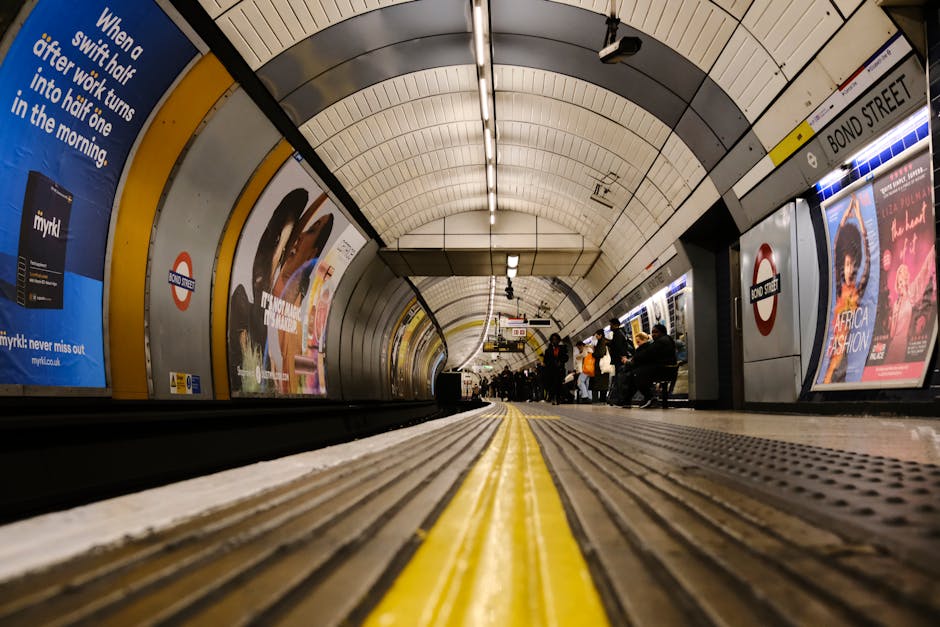
Leytonstone Tube moves: access tips for removals
Posted on 09/05/2026
Leytonstone Tube Moves: Access Tips for Removals
Moving near Leytonstone Tube can be a brilliant choice for daily life, but it can also make removals a bit fiddly. Narrow streets, shared entrances, controlled parking, busy commuter times, and the simple reality of stairs can all turn a straightforward move into a long morning. That is exactly why Leytonstone Tube moves: access tips for removals matter so much. Get the access side right and the whole day feels calmer. Get it wrong, and even a small flat move can turn into a queue of delays, extra lifting, and a lot of sighing in the hallway.
This guide breaks down the practical side of moving around the Tube area: how access works, what to plan for, where problems usually appear, and how to make life easier for you and your removals team. If you are moving a flat, a family house, a student room, or a larger property nearby, you will find the sort of detail that tends to save time in the real world. And let's face it, on moving day, time and clear access are the two things you never quite have enough of.
Why Leytonstone Tube moves: access tips for removals Matters
Access is the hidden part of moving that people often underestimate. The boxes get packed, the van gets booked, and then suddenly you realise the lift is tiny, the road outside is busy, and the nearest legal place to stop is not where you hoped. Around Leytonstone Tube, that mix of residential streets and commuter activity can make access planning the difference between a smooth move and a stressful one.
For removals, access means more than whether a vehicle can reach the property. It includes where the van can wait, how close it can get to the front door, whether there are steps or a lift, how wide the stairwell is, and whether bulky items will fit through the route at all. If one of those points is missed, the team may need more time, more hands, or a different vehicle. That is not a disaster, but it is avoidable.
In practice, good access planning helps with three things:
- Time: less waiting, less double-handling, fewer trips back and forth.
- Safety: fewer awkward lifts, fewer knock risks, better control of heavy items.
- Cost control: fewer surprise delays and fewer last-minute changes to the plan.
If you are comparing options for a local move, it is worth looking at the wider service picture too. A clear services overview helps you see what support is available, while local pages such as removals in Leytonstone or flat removals in Leytonstone can be especially useful if your move has stair or access constraints.
How Leytonstone Tube moves: access tips for removals Works
The process is simpler than it sounds. A good removals plan starts with the property itself and works outward. First, you identify the physical access at both addresses. Then you match that access to the size of van, the number of movers, and the types of items being moved. Finally, you confirm any local restrictions that could affect loading and unloading.
In a Leytonstone Tube area move, the usual access questions are fairly practical:
- Can the van stop close enough to the property without causing a problem?
- Is there a lift, and if so, is it suitable for furniture or only for people?
- Are there shared hallways, security doors, or narrow turns?
- Will large items need dismantling before they can leave the property?
- Is there a time window when access is easiest, such as outside commuter rush?
Think of it like fitting the move to the building rather than forcing the building to fit the move. A sofa that glides out of a ground-floor lounge can become a problem the moment it reaches a tight landing or a corner with a banister that has seen better days.
That is why smart movers often combine access planning with good packing. If items are already organised and labelled, and the route from room to van is clear, the whole process speeds up. For more on that side of things, have a look at packing tips for a successful house move and decluttering guidance before moving day.
Key Benefits and Practical Advantages
When access is handled properly, the benefits are immediate. You do not just save time; you lower the odds of small errors that can snowball. A missing parking plan, for example, might mean carrying a wardrobe down a long pavement instead of straight from the door. Not dramatic on paper. Very noticeable in real life.
Here are the most useful advantages:
- Less physical strain: shorter carrying distances reduce fatigue and the chance of damage.
- Better protection for furniture: fewer tight turns and less scrambling through cramped spaces.
- Cleaner handover: a well-managed move tends to leave the property tidier and less scuffed.
- More predictable timing: helpful if you are handing keys over, booking lift access, or coordinating with a landlord.
- Reduced stress: perhaps the biggest one. When the access plan is clear, people relax a bit. You can feel it.
There is also a quieter benefit that people only notice afterwards: fewer awkward conversations on the day. No one enjoys discovering, at 8:15 in the morning, that the loading spot was assumed rather than checked. Access planning avoids that sort of muddle.
For heavier or awkward items, the gain is even bigger. If you are moving large furniture, it can help to read furniture removals in Leytonstone and the practical advice in moving heavy loads safely. For specialist pieces, especially pianos, the margin for error is tiny; see piano removals in Leytonstone and the guide on why piano relocation isn't a DIY task.
Who This Is For and When It Makes Sense
This kind of planning is useful for almost anyone moving near the Tube, but it matters most in a few common situations. If any of these sound familiar, it is worth getting the access details nailed down early.
- Flat movers: especially if your building has stairs, lifts, entry codes, or shared hallways.
- Students: if you are moving in or out of halls, a shared house, or a compact flat with limited storage and access time. A dedicated student removals service in Leytonstone can be a good fit.
- Families: family moves often involve more items, more rooms, and more scheduling pressure.
- Office movers: when business access, equipment handling, and timing matter. See office removals in Leytonstone.
- Last-minute movers: if the move has come together quickly, same-day access decisions become especially important. In that case, same-day removals in Leytonstone can be worth exploring.
If you are only moving a few items, the access questions still matter, just on a smaller scale. A compact move may be handled well by a man with a van in Leytonstone, while a bigger or more involved move may call for a fuller man and van service in Leytonstone or a dedicated removal van in Leytonstone.
Truth be told, if you have to ask, "Will the sofa fit through there?" you probably already need a proper access plan.
Step-by-Step Guidance
A structured approach makes all the difference. Here is a sensible order to follow if you want to avoid last-minute scrambles.
- Survey both addresses. Walk the route from the room to the street. Check doors, stairs, lifts, corners, and any tight turns.
- Measure bulky items. Sofas, wardrobes, beds, mattresses, desks, and appliances should be measured with a little room for error.
- Check vehicle access. Note where a van can stop, how long it can load, and whether there are restrictions or narrow roads nearby.
- Plan the loading order. Put the largest items first, then stack smaller boxes around them, and keep essentials accessible.
- Confirm building rules. If you are in a managed block, ask about lift bookings, moving hours, and any protection requirements for communal areas.
- Prepare the route inside. Remove obstacles, clear loose rugs, and protect floors and corners where needed.
- Set a backup plan. If the closest stop is unavailable, decide in advance where the team should use instead.
A small practical detail matters here: if the move involves beds or mattresses, unpack those items from the access route first. They are bulky, awkward, and often the first thing that catches on a landing. For extra guidance, see moving beds and mattresses safely.
Also, if your move depends on boxes being ready at a specific time, do not leave packing to the last two evenings. That is how the kettle, charger, and scissors all disappear into a box called "miscellaneous". We've all done it once.
Expert Tips for Better Results
These are the small things that often make the move feel easier than expected. They are not flashy, but they work.
- Use a measured approach for access checks. A quick glance is not enough for tall wardrobes or L-shaped sofas. Measure height, width, and turning space.
- Book around busier times carefully. Early mornings often work better than the middle of the school run or commuter peak.
- Protect communal areas. If you are moving through shared hallways or stairwells, use floor protection and corner guards where appropriate.
- Label by destination room. A box marked "kitchen" saves time when the unloading starts. Small thing, big difference.
- Think in terms of carry distance. Even if parking is legal a bit further away, a shorter carry can still be worth planning for.
- Keep essentials separate. Documents, keys, chargers, medication, and a kettle if you are feeling optimistic should travel with you, not in the van.
One more useful tip: if you are storing items between properties, make sure that storage access is part of the plan too. The handoff can be very smooth if you use a local solution like storage in Leytonstone. It is often the difference between a rushed move and a controlled one.
For furniture that needs wrapping or special handling, a bit of planning goes a long way. A sofa in poor weather, for example, does not enjoy sitting on a pavement while everyone debates the best angle. Better to prepare properly and move once.

Common Mistakes to Avoid
Most access problems come from assumptions. Not bad intentions, just assumptions. And on moving day, assumptions are expensive little things.
- Assuming the van can park anywhere. Not every street near a Tube station is easy for loading. Check first.
- Forgetting about stairs and lift size. A lift may be present, but still too small for larger items.
- Not measuring furniture properly. The old "it'll probably fit" method is a classic, and a risky one.
- Leaving packing until the last minute. Poor packing makes access harder because everything takes longer to move.
- Ignoring building rules. Some blocks need lift bookings or protective coverings. Miss that, and you create friction for everyone.
- Not telling the removals team about awkward items. If there is a piano, American fridge freezer, or oversized wardrobe, say so early.
If you are preparing the home itself, it can also help to clean and clear properly before the team arrives. A tidy route cuts down on slips and accidental knocks. The practical notes in strategic cleaning for a smooth house departure are worth a look, especially if you want the final handover to feel respectable rather than frantic.
And for those moments when you are tempted to carry something just to save time? Sometimes the bravest move is stopping and getting the right help.
Tools, Resources and Recommendations
You do not need a van full of specialist kit for every move, but the right tools can make access handling much easier. The aim is not to overcomplicate things. It is to reduce strain, protect the property, and keep items stable.
| Tool or resource | Best use | Why it helps |
|---|---|---|
| Furniture blankets | Wrapping larger items | Protects against scuffs in narrow hallways and door frames |
| Trolley or sack truck | Boxes and medium-weight loads | Reduces lifting distance and strain |
| Ratchet straps | Securing items in the vehicle | Keeps loads stable during transport |
| Floor protection | Shared areas and entry routes | Helps avoid marks on wood, tiles, and carpets |
| Labelled boxes | Room-by-room unloading | Speeds up sorting at the new property |
If you need packing materials, a dedicated local option such as packing and boxes in Leytonstone can save a lot of running around. That becomes especially handy when the move has been brought forward or you are packing with limited space.
For people who want more support, the broader local service pages are useful too. You can compare options through removal services in Leytonstone or review trusted local providers via removal companies in Leytonstone.
Law, Compliance, Standards, or Best Practice
Moving house is not usually about complicated regulation, but there are still sensible UK best practices to follow. The main point is simple: plan safely, move legally, and avoid creating risks for yourself, the building, or other road users.
Here are the standards that matter in everyday moving situations:
- Parking and stopping: always check local restrictions, loading rules, and any permit requirements before assuming the van can wait outside.
- Property access: if you live in a managed block, follow building rules on lift bookings, access windows, and protective coverings.
- Health and safety: use sensible lifting techniques, keep pathways clear, and do not attempt risky lifts without help.
- Insurance and care: confirm what is covered and what responsibilities sit with the mover and the customer.
For a clearer sense of company responsibilities and expectations, it is worth reviewing the provider's own supporting pages such as insurance and safety information and the health and safety policy. If you like to understand how things are handled, the terms and conditions and payment and security pages are also sensible reads.
There is also a broader duty to think about sustainability where practical. Reusing boxes, donating usable items, and disposing of waste responsibly all help. If that matters to you, the company's recycling and sustainability page is relevant.
One practical note: if you or someone in the property has accessibility needs, say so early. That is not a detail to keep for later. It changes the plan, and it should.
Options, Methods, or Comparison Table
Not every move near Leytonstone Tube needs the same approach. The best method depends on volume, access, time pressure, and how much help you want on the day.
| Moving option | Best for | Access strengths | Things to watch |
|---|---|---|---|
| Man with a van | Small to medium moves, a few bulky items | Flexible, often ideal for tight access and short local journeys | May not suit larger multi-room relocations |
| Man and van | Student moves, flats, lighter house moves | Good for loading help and quick local transport | Check whether extra manpower is needed for stairs or heavy furniture |
| Dedicated removal service | Full house, office, or complex moves | Better for planning, larger loads, and detailed handling | May need more advanced scheduling |
| Same-day removals | Urgent or last-minute relocations | Useful when timing is tight and access windows are short | Less room for detailed pre-planning, so information must be accurate |
| Storage-first approach | Staggered moves or temporary gaps between addresses | Reduces pressure on access timing at both ends | Needs careful labelling and inventory control |
As a rule of thumb, the tighter the access and the bigger the items, the more useful a structured removal service becomes. That is especially true for flats and upper-floor properties near transport hubs, where a simple carry can become an exercise in angles, patience, and a bit of polite persistence.
Case Study or Real-World Example
Here is a realistic example. A couple moving from a second-floor flat near Leytonstone Tube booked a local vehicle for the morning. The flat had a narrow stairwell, a small lift that was not suitable for furniture, and a street outside that filled up early with parked cars. On paper, it sounded manageable. In reality, it needed a better plan.
Instead of waiting until moving day, they measured the sofa, bed frame, and wardrobe. They also checked the route from the flat to the street and realised the wardrobe would need dismantling. That small decision saved a huge amount of frustration. They also arranged a loading spot a little further along the road, which meant the van could stop without blocking access for neighbours or risking a ticket.
The day itself was still busy, of course. There were a few moments where someone was holding a door open, someone else was fetching straps, and the kettle was still somehow packed in the wrong box. But the move stayed under control. No panicked lifting. No awkward last-minute furniture wrestling in the hallway. Just a steady flow from flat to van.
Expert summary: The best Leytonstone Tube removals are rarely the ones with the fanciest vehicle. They are the ones where access is checked early, the route is clear, and everybody knows what is waiting at the top of the stairs.
If your move looks similar, it may be worth starting with a home move plan and then narrowing down the service fit through house removals in Leytonstone or a more compact van-led option. The right choice depends on the property, not just the postcode.
Practical Checklist
Use this checklist a few days before the move, then again on the morning itself. It is simple, but it catches a lot of the problems people forget under pressure.
- Measure large furniture and confirm it fits through the route.
- Check whether the van can park or load close to the property.
- Confirm lift access, stair access, and any building booking rules.
- Tell the removals team about heavy, fragile, or awkward items.
- Separate essentials you need to keep with you.
- Label boxes by room and add "fragile" only where necessary.
- Clear hallways, loose rugs, and obstacles before the team arrives.
- Protect floors, corners, and shared areas if required.
- Check whether storage is needed if the move is being split across dates.
- Keep your phone charged and your keys easy to find. Seriously, this one saves headaches.
For extra preparation, it can help to read a wider move-planning guide such as streamlined processes for stress-free home moving. It ties the whole process together nicely, especially if you are managing the move alongside work or family plans.
Conclusion
Leytonstone Tube moves work best when access is treated as part of the move, not an afterthought. Once you know where the van can stop, how the building routes work, what needs dismantling, and which items deserve special care, the whole day becomes more predictable. Less running about. Fewer surprises. More control.
That does not mean every move will be perfect. A bit of weather, a stubborn sofa, or a neighbour's car can still add friction. But with the right access tips for removals, you can absorb those little complications without losing the plot. And honestly, that is what a good move feels like: not effortless, just well handled.
If you are planning a move near Leytonstone Tube and want the process to feel more manageable from the start, take a few minutes to compare your options and ask about access support early. It is a small step, but it changes everything.
Get a free quote today and see how much you can save.