Waltham Forest Council parking permits for movers (E11)
Posted on 26/06/2026

Waltham Forest Council parking permits for movers (E11): a practical guide for a calmer moving day
If you are moving in or out of E11, parking can become the part of the day that quietly causes the most stress. Vans need space, neighbours still need access, and a short walk with heavy boxes can turn into a long, awkward shuffle very quickly. That is why Waltham Forest Council parking permits for movers (E11) matter so much: they help you protect access, reduce delays, and make the whole move feel far more under control.
This guide explains how moving-day parking usually works in Waltham Forest, what to check before the van arrives, and how to avoid the common mistakes that catch people out. You will also find practical steps, a checklist, and a few real-world moving tips that make sense on a narrow E11 street on a busy weekday morning. Truth be told, the parking plan often matters almost as much as the packing plan.
Why Waltham Forest Council parking permits for movers (E11) Matters
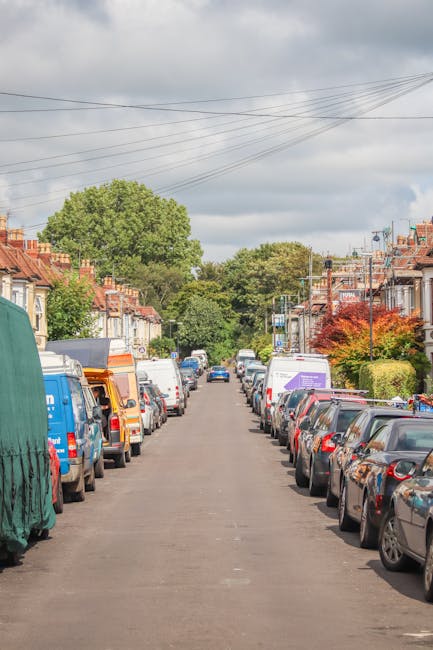
Moving day has a habit of exposing every weakness in a plan. If the van cannot stop close enough to the property, every item becomes harder to carry, slower to load, and more tiring than it needs to be. In E11, where side streets, controlled parking areas, timed restrictions, and busy residential roads are common, that can mean the difference between a smooth load-out and a frustrating, stop-start morning.
Parking permits for movers are about more than avoiding a ticket. They help preserve access for the removal team, reduce pressure on stairwells and hallways, and limit the risk of rushed lifting. If you have ever watched a sofa waiting on the pavement while someone hunts for a legal space round the corner, you already know the problem.
For flats, maisonettes, and terrace properties in Leytonstone and nearby pockets of E11, the challenge is often the same: the property itself may be straightforward, but the parking and loading environment is not. A permit or a proper parking arrangement can save a surprising amount of time. That matters whether you are moving a few boxes or a full household.
There is also a neighbourly side to it. Less circling for a space means less congestion, less engine noise, and fewer awkward moments with residents who need access. Not glamorous, no, but it helps the day feel more civilised.
Useful moving preparation often starts before the van arrives. If you are still trimming down what is coming with you, the advice in these decluttering tips for moving day can make the parking and loading stage much easier because there is simply less to shift.
How Waltham Forest Council parking permits for movers (E11) Works
In plain English, a moving-day parking arrangement gives your removal vehicle a better chance of stopping legally and as close as possible to your property. Depending on the exact road, the type of bay or restriction, and the length of time required, this may involve a visitor permit, a suspension of a bay, or another parking solution set by the council. The exact process can vary, so it is worth checking carefully rather than assuming a standard approach will fit every street.
In practice, the moving process tends to follow a few common stages:
- Check the street restrictions. Look at signs on the road itself and make sure you understand any permit bays, loading limits, or timed restrictions.
- Identify the vehicle size. A small van, medium van, and luton-style removal vehicle may all need different access allowances.
- Match the parking solution to the move. For a quick one-bedroom move, a simple loading space may be enough; for a larger household, you may need a more formal arrangement.
- Plan the timing. Councils often work to specific office hours or notice periods, so leaving this late is where people trip up.
- Keep proof and instructions to hand. If a permit reference, booking confirmation, or written instruction is issued, keep it accessible on the day.
A small but important point: parking access and moving access are not the same thing. You might have a parking bay close by, but if the route from van to front door involves three flights of narrow stairs, the time saved by parking is only part of the battle. That is why planning the route matters too. If stairs are likely to play a role in your move, this guide to E11 staircases and flat moves is worth a look before moving day.
And if your move is happening around a tight station-adjacent street or a road with awkward access, it helps to think about the full approach, not just the parking space. The piece on Leytonstone Tube access tips for removals is especially relevant for those tricky high-footfall areas.
Key Benefits and Practical Advantages
The biggest benefit is simple: less friction. But there are a few more advantages that are easy to overlook when you are focused on boxes, tape, and the final meter reading.
- Shorter carry distances. The closer the van can legally get, the fewer trips up and down the pavement.
- Less risk of damage. Furniture is less likely to get scraped, bumped, or dropped when the route is shorter and clearer.
- Better time control. Parking issues eat time in a way most people underestimate.
- Lower stress for everyone involved. The moving team can work more steadily when they are not worrying about a parking ticket or a blocked road.
- Cleaner handover for neighbours and residents. A smoother setup is simply more considerate.
There is also a safety benefit, and it is a real one. When people have to carry wardrobes, mattresses, or boxed crockery farther than expected, they get tired, and tired people make clumsy decisions. That is where little accidents happen. A sensible parking plan helps keep the day more measured.
For people using a smaller moving vehicle or a man and van service, this can be especially helpful because the van may be parked and loaded multiple times if access is poor. The service pages for man with a van in Leytonstone and man and van support in Leytonstone are useful if you want to understand how a smaller-scale move can still benefit from good access planning.
Who This Is For and When It Makes Sense
This is not only for people doing a huge family house move. In fact, some of the trickiest parking situations come from smaller moves in busier streets, where there is less room for error and fewer spare hands to absorb delays.
Waltham Forest Council parking permits for movers (E11) make sense if you are:
- moving from a flat with limited road access
- using a removal van that needs to stop close to the building entrance
- moving bulky or heavy furniture that should not be carried far
- arranging a same-day move with a tight schedule
- living in a controlled parking zone or permit-heavy street
- moving in or out of a busy area near transport routes or schools
It also matters if you are moving something awkward rather than just a standard boxload. A piano, for example, really does not appreciate a long walk to the van. Nor do you, honestly. If that is part of your move, why piano relocation is not a DIY task explains why access and positioning matter so much.
Students, first-time renters, and busy professionals often underestimate how much parking affects the pace of the day. A student move can look light on paper but still become awkward if the van cannot stop near the door. That is one reason local support like student removals in Leytonstone can be handy when speed and simplicity matter.
Step-by-Step Guidance
Here is the most practical way to think about the process. It does not need to be complicated, but it does need to be done early.
- Start with the street, not the van. Check the parking signs outside both properties if you are moving locally. Read them as if you have never seen the road before. Because, on moving day, you may have exactly that feeling.
- Measure the reality of the access. Note whether the van can stop at the kerb, whether there is room to open doors safely, and whether there are trees, railings, or low walls in the way.
- Work out the vehicle type. A larger van can speed up loading if parking is sorted, but it may not be practical on a narrow road.
- Decide whether a council permit or suspension is needed. If the road is controlled or tightly regulated, do not leave this to guesswork.
- Book early enough to avoid last-minute panic. This is one of those boring tasks that becomes urgent very quickly.
- Tell the removal team exactly where to park. Useful instructions beat vague assumptions every time.
- Prepare the property for quick loading. Hallways should be clear, box stacks should be neat, and essentials should be separated.
- Leave a margin for delays. Traffic, neighbours, weather, and lift access can all add time.
If you are still at the packing stage, you will probably get a better result if you read this packing guide for a successful house move and the packing and boxes service information before the final week.
A quick reality check: if the property contains heavy, awkward items, the parking plan should match the load plan. That is where moving heavy loads safely can offer useful perspective, especially if you are trying to judge what can be carried by hand and what really needs the van as close as possible.
Expert Tips for Better Results
Little details make a big difference here. Not dramatic details. Just the sort of practical things that stop the day from wobbling.
- Confirm access the day before. If anything has changed on the street, you want time to react.
- Keep a printed note of the plan. Phone signal, battery life, and moving-day chaos are not always friends.
- Build in loading space. The van should not be squeezed so tightly that doors cannot open safely.
- Use clear labels on rooms and boxes. It reduces hesitation when the team is carrying items in and out.
- Strip beds and bulky soft furnishings early. Mattresses and sofas take space quickly and need a straight route.
- Think about weather. A wet pavement changes the handling of boxes, sofas, and anything with a slick finish.
One small but overlooked trick: have a "first out" pile near the door for the items that absolutely must go into the van first. That can include tools, cleaning items, bedding, and fragile boxes. It sounds obvious, until you are standing there at 8:15 a.m. looking for the kettle. We have all had that moment, or something close to it.
If you are worried about damage to furniture in storage or on the move, this sofa storage advice and the bed and mattress moving guide are both useful companions to a well-planned loading bay.
For bigger or more complex moves, it also helps to read a broader operational overview such as streamlined processes for stress-free home moving. The core message is simple: good access planning lowers pressure everywhere else.
Common Mistakes to Avoid
Most parking problems come from assuming the street will "probably be fine". That phrase has caused more moving-day headaches than I can count. A few other common mistakes are worth calling out clearly.
- Leaving parking until the week of the move. By then, options can be limited.
- Assuming the van will fit anywhere. It may not, especially on narrower E11 roads.
- Ignoring loading time. A permit or arrangement that covers only a tiny window can be too short.
- Forgetting the arrival time of the movers. Early access matters more than many people realise.
- Not checking both the old and new addresses. If one end is easy and the other is not, the overall move is still slowed down.
- Overpacking boxes. Heavy boxes plus a longer carry route equals unnecessary strain.
There is another subtle mistake too: not telling the moving company about awkward access. If the street has a tight bend, a time restriction, or a loading gap only on one side, say so plainly. The team cannot work with information they do not have. It sounds obvious, but you would be surprised.
If you are also budgeting the whole move, read this removal quote checklist so you can separate parking-related costs or planning issues from the core moving cost. That helps you make a cleaner decision, rather than guessing where the money went.
Tools, Resources and Recommendations
You do not need fancy equipment to get this right. A few basic tools and sensible documents go a long way.
- Street photos. A few clear pictures of the parking spot, kerb, and entrance can be very useful.
- Room labels and box markers. These speed up the unload once the van is parked.
- Measuring tape. Helpful for checking large furniture against doorways and van access.
- Phone notes. Record permit details, booking times, and any instructions in one place.
- Furniture straps and blankets. They protect items if the carry distance is longer than expected.
- Storage backup. If the move is staged, a short-term storage option can take pressure off the road side of the job.
If you need somewhere temporary for items that are not going straight to the new address, storage in Leytonstone is a practical fallback. It is especially useful if you are waiting on keys, doing a phased renovation, or simply trying to keep the moving day lighter.
For people who want a fuller picture of service options, the services overview is a sensible place to understand what can be handled together rather than pieced together one job at a time.
If sustainability matters to you, and it often does during a move, the page on recycling and sustainability is worth noting for unwanted items and cleaner disposal choices.
Law, Compliance, Standards, or Best Practice
Parking arrangements in a controlled London borough are not something to improvise. The safe approach is to follow the street signage, check local restrictions carefully, and make sure any council-related parking arrangement is obtained and used in the way it was intended. If you are unsure, it is better to verify the details than to hope for the best. Hope is not a parking strategy.
Best practice usually looks like this:
- check whether the road is covered by parking controls or loading restrictions
- allow enough time for any council process or notice period
- keep evidence of the arrangement with the team on the day
- make sure the permit or booking matches the vehicle type and date
- avoid blocking access routes, dropped kerbs, or junction visibility
There is also a health and safety angle. The closer and safer the loading point, the lower the chance of strain and slips. If your property involves stairs, awkward corners, or particularly heavy items, it is sensible to work with a removal team that has clear safety procedures. The company's health and safety policy and insurance and safety information can help you judge how seriously those responsibilities are taken.
For peace of mind around business practice and customer treatment, it can also be reassuring to see pages like about us, terms and conditions, and complaints procedure. They are not exciting reading, but they do matter.
Options, Methods, or Comparison Table
Different moves need different parking approaches. A straightforward comparison can help you decide what makes sense for your situation.
| Approach | Best for | Main advantage | Potential drawback |
|---|---|---|---|
| Simple loading near the property | Short, low-volume moves | Fast and straightforward | May not suit controlled parking streets |
| Permit-supported parking | Moves in controlled zones or permit-heavy roads | More predictable access | Needs planning and timing |
| Bay suspension or reserved space | Larger household or bulky-item moves | Clear dedicated space | May involve extra coordination |
| Smaller van with close loading plan | Narrow roads and tighter access | More manoeuvrable | May need more trips if volume is large |
| Staged move with storage | Delayed completion or renovation gaps | Reduces pressure on move day | Requires a second logistics step |
For many E11 moves, the best option is a hybrid one: good parking access, sensible packing, and a clear unloading order. That combination tends to beat any single "magic fix".
If you are comparing moving support options, the local pages for flat removals, house removals, and office removals may help you judge the kind of access planning your move really needs.
Case Study or Real-World Example
Imagine a couple moving out of a second-floor flat in E11 on a Friday morning. The building is on a road with restricted parking, and the nearest legal space is not directly outside the entrance. They have a bed frame, a mattress, several boxes of kitchenware, a sofa, and a few fragile items packed in a hurry the night before.
Without a plan, the van might have been left several doors down. That would have meant longer carries, more pauses on the pavement, and more strain on the stairwell. Instead, the couple checked the road restrictions in advance, arranged the parking so the van could stop as close as possible, and made sure the heaviest items were loaded first. The result was not magical, just much calmer. Fewer interruptions. Less running back and forth. No one was trying to carry a wardrobe while also wondering whether the van was about to be moved on.
They also kept a small "essentials" bag separate, which saved a lot of irritation later. Kettle, chargers, documents, basic toiletries. Sometimes the little things are what save your mood at 6:30 p.m., when the last box is finally down and all you want is tea. That small decision made the day feel manageable instead of endless.
If your move is not a full household shift and you only need a vehicle and a careful pair of hands, the local pages for removal van support and removal services in Leytonstone can be useful to compare.
Practical Checklist
Use this as a last-pass check before moving day. It is simple, but it catches a lot of avoidable problems.
- Check the parking restrictions on both streets
- Confirm whether a permit, suspension, or other arrangement is needed
- Match the parking plan to the size of the van
- Tell the movers about stairs, narrow entrances, and any awkward bends
- Pack and label boxes clearly
- Set aside fragile and essential items separately
- Clear corridors, doorways, and the landing area
- Prepare furniture for quick loading
- Keep booking details and instructions handy
- Leave time for traffic and small delays
If you want to reduce the overall workload before the van even arrives, the article on strategic cleaning for a smooth house departure is a practical companion. A cleaner, clearer property is just easier to move through.
One more thing: if you are moving with pets, their calm matters too. Parking delays can ripple through the day and unsettle them. The guide on pet relocation stress in Leytonstone is a good reminder to keep the day as predictable as possible.
Get a free quote today and see how much you can save.
Conclusion
Waltham Forest Council parking permits for movers (E11) are really about one thing: making the move easier to execute. When the van can park sensibly, the loading feels safer, the timing becomes more realistic, and the whole day loses some of its edge. That matters whether you are moving a single flat or a full family home.
The best results usually come from planning early, matching the access to the vehicle, and not underestimating how much parking affects everything else. It is rarely the flashiest part of the move, but it often shapes the outcome more than people expect. Get the parking right and, honestly, the rest of the day has a better chance of behaving itself.
And once the final box is in and the front door shuts behind you, that small sigh of relief feels properly earned.